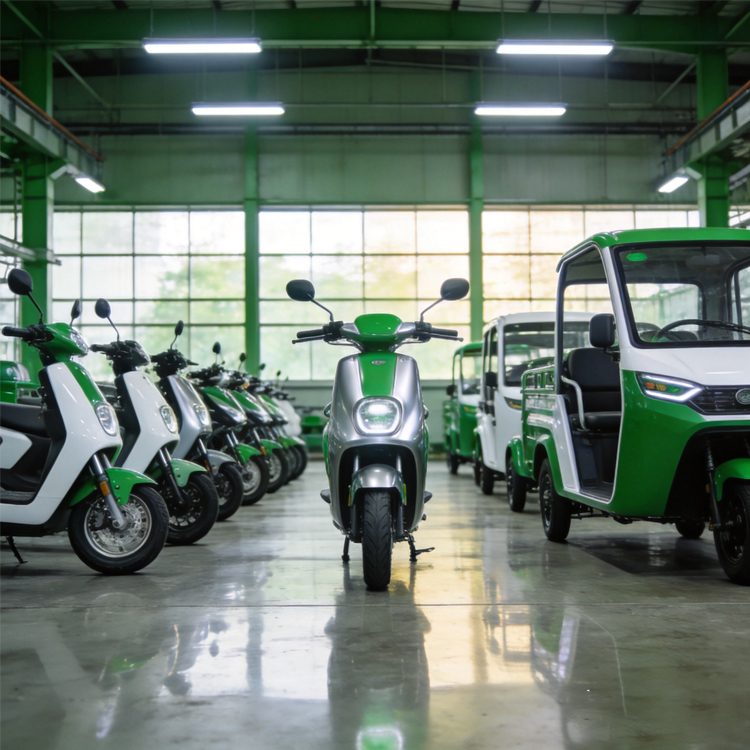
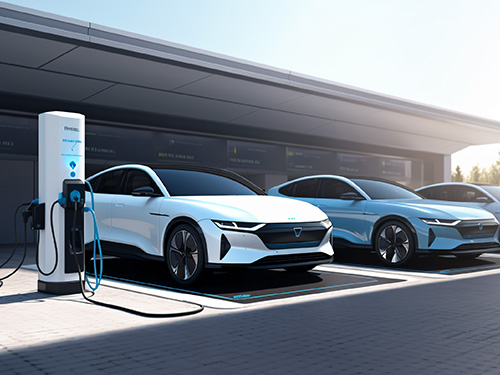
Have you ever hopped on your e-bike for a morning commute, only to watch the battery bar plummet halfway to the office? Or loaded up your three-wheeler for a full day of deliveries, just to feel it struggle up a small hill when your battery hits 50%? For anyone who relies on 2, 3, or 4-wheel electric vehicles for work, play, or daily life, the battery isn’t just a replaceable part—it’s the beating heart of your ride.
For decades, that heart was almost always a lead-acid battery. But today, more and more riders are switching to lithium iron phosphate (LFP) batteries, and for good reason. This isn’t just a tech upgrade for tech’s sake—it’s a shift that solves the real, everyday frustrations anyone who’s ever ridden an electric vehicle has felt. Let’s break it down, no confusing jargon, just the honest truth about what these batteries mean for your ride.
The Trusted Old Workhorse: Lead-Acid Batteries
Lead-acid batteries aren’t new. They’ve been around for over 160 years, and for most of the history of electric two, three, and four-wheelers, they’ve been the go-to choice. And it’s not hard to see why.
For starters, they’re cheap. If you’re on a tight budget, a new lead-acid battery for your e-bike or three-wheeler will cost a fraction of what you’d pay for a lithium battery upfront. They’re also everywhere—you can find a replacement at almost any local bike shop or auto parts store, no waiting for shipping, no special orders. And their recycling system is one of the most mature in the world: over 90% of lead-acid battery components are recycled globally, so you don’t have to stress too much about what happens when it reaches the end of its life.
But here’s the catch: that low upfront cost comes with a lot of hidden tradeoffs, ones that every long-term rider knows all too well.
First, they don’t last long. A well-cared-for lead-acid battery will give you 300-500 full charge cycles before its capacity drops to 80% of what it was when new. For most of us, that means replacing the battery every 2-3 years. If you’re a delivery rider charging your three-wheeler twice a day? You might be buying a new battery every 12-18 months. That “cheap” battery starts to get very expensive, very fast.
Then there’s the weight. A standard 60V 20Ah lead-acid battery weighs in at 25-30kg—about the same as a medium-sized dog. Anyone who’s had to haul that up 3 flights of stairs to charge in their apartment knows just how back-breaking that can be. That extra weight also makes your ride slower, less efficient, and harder to maneuver, especially when you’re carrying cargo or passengers.
And let’s talk about performance. Lead-acid batteries hate being fully discharged. Run it down to empty even once, and you can permanently damage its capacity. They also hate the cold: in winter, when temperatures drop below 0°C (32°F), you can lose 40-50% of your range overnight. That morning commute you could do twice on a full charge in summer? Suddenly you’re pushing your bike home before you even get to work.
Worst of all, they can be risky. Overcharge a lead-acid battery, and it will bulge, leak toxic corrosive chemicals, and even catch fire. For anyone who charges their vehicle overnight in their garage or apartment, that’s a risk no one should have to take.
The Game-Changer: Lithium Iron Phosphate (LFP) Batteries
If lead-acid is the old, reliable workhorse that’s starting to show its age, LFP batteries are the new, hardworking partner that makes every part of your ride easier. LFP is a type of lithium-ion battery that uses lithium iron phosphate as its cathode material, and its unique chemical structure solves almost every single frustration riders have with lead-acid.
We’ve worked with thousands of riders over the years—from college students commuting on e-bikes, to delivery drivers putting 100km a day on their three-wheelers, to families using four-wheel low-speed EVs to run errands and take the kids to school. And the one thing we hear over and over again after they switch to LFP is: “Why didn’t I do this sooner?”
Let’s break down why, with the real-world benefits that matter to you:
It lasts 5-10x longer than lead-acid
A high-quality LFP battery delivers 2000-6000 full charge cycles before its capacity drops below 80%. For the average commuter charging once a day, that’s 8-10 years of reliable use. For a delivery rider charging twice a day? That’s still 4-6 years, no replacements needed.
We had a customer a while back, a delivery driver who puts 120km a day on his three-wheeler. He used to replace his lead-acid battery every 14 months, spending nearly a third of his monthly earnings on battery replacements. He switched to an LFP battery 3 years ago, and it still holds 92% of its original capacity. That’s money back in his pocket, and less time worrying about his battery dying mid-run.
It’s light, compact, and effortless to use
The same 60V 20Ah battery that weighs 30kg in lead-acid? It’s just 9-12kg in LFP. That’s less than a full carry-on bag. You can lift it with one hand, carry it up stairs without breaking a sweat, and it takes up half the space in your vehicle. That lighter weight also makes your ride more efficient, faster to accelerate, and easier to handle, whether you’re weaving through city traffic or hauling a full load of cargo.
It performs when you need it most
LFP batteries don’t punish you for using their full capacity. You can discharge them down to 0% (though we recommend keeping 10-20% charge for the longest life) without permanent damage. They also handle cold weather far better than lead-acid: even at -10°C (14°F), you’ll only lose 15-25% of your range, compared to 50%+ with lead-acid. For riders in colder climates, that means no more winter range anxiety, no more limiting your trips when the temperature drops.
And for three-wheeler drivers hauling heavy loads, or four-wheel EV drivers carrying passengers? LFP batteries deliver consistent power, even when the battery is low. No more struggling up hills, no more slow acceleration when your battery hits 50%. It delivers the same smooth power from 100% charge down to 10%.
It’s safe, and gives you peace of mind
Safety is non-negotiable, especially when you’re parking your vehicle in your home, garage, or near your family. LFP batteries have exceptional thermal and chemical stability. Unlike other lithium batteries, they won’t catch fire or explode if punctured, overcharged, or short-circuited. They don’t leak toxic chemicals, they don’t bulge with regular use, and they require zero maintenance.
No more checking water levels every month. No more cleaning corrosion off the terminals. No more worrying about leaving it on charge overnight. It’s set it and forget it, perfect for busy riders who don’t have time for battery upkeep.
It’s cheaper in the long run (and better for the planet)
We know: the upfront cost of an LFP battery is higher than lead-acid. But let’s do the simple math. A lead-acid battery for your e-bike costs ~$150, and lasts 2 years. Over 10 years, that’s $750 in battery replacements. A good LFP battery for the same bike costs ~$350, and lasts 10+ years. That’s a saving of $400 over a decade, not to mention the time and hassle of replacing the battery 5 times.
And for the planet? LFP batteries don’t contain toxic heavy metals like lead or cobalt, so they’re far more eco-friendly to produce and dispose of. And with a lifespan 5x longer than lead-acid, you’re putting far less waste into the world over time.
Which Battery Is Right For Your Ride?
We’re not here to say that lead-acid batteries are useless. They still have their place, for the right rider. If you only use your electric vehicle once or twice a month, have an extremely tight budget, and have easy access to cheap local replacements, lead-acid might still work for you.
But if you fall into any of these categories, LFP is almost certainly the better choice:
You ride your 2-wheel e-bike or e-motorcycle daily for commuting, errands, or recreation
You rely on a 3-wheeler for deliveries, cargo hauling, or your livelihood
You use a 4-wheel low-speed EV or family electric vehicle for daily trips with loved ones
You hate the hassle of frequent battery replacements and maintenance
You want a lighter, safer, more reliable ride, with consistent range year-round
You want to save money over the life of your vehicle
Final Thoughts
At the end of the day, your battery is more than just a piece of tech. It’s what lets you get to work on time, make that delivery to feed your family, take your grandkids to the park, and explore the world around you without relying on gas.
The shift from lead-acid to LFP isn’t just about better batteries. It’s about making electric mobility more accessible, more reliable, and more affordable for everyone—whether you’re riding a 2-wheel e-bike through the streets of Berlin, a 3-wheeler delivery van in Jakarta, or a 4-wheel family EV in Sydney.
We’ve spent years working with riders just like you, building LFP batteries that stand up to the real-world demands of daily use. If you have questions about which battery is right for your ride, or want to learn more about how LFP can transform your daily commute, we’re here to help.
Ride on, ride safe, and let your battery work for you—not the other way around.

Copyright © 2026 Shandong Shanglai Import and Export Co., Ltd. All Rights Reserved.