Let’s be honest. Walking into the battery sourcing market today feels a bit like walking into a massive hardware store without a shopping list. Every supplier is screaming about their "latest and greatest" cells. You’ve got cylindrical, prismatic, pouch, LFP, NMC... the acronyms alone are enough to give anyone a headache.
But here is the hard truth we’ve learned from over a decade of manufacturing batteries: There is no such thing as a "perfect" cell. There is only the "right" cell for your specific application and business model.
As a manufacturing partner who has seen countless integrators and distributors succeed (and some fail), I want to pull back the curtain. Let’s cut through the marketing fluff and talk about the real-world personalities of the three dominant cell formats ruling the market today.
The reliable workhorse of the battery world.
If battery cells had a personality, the cylindrical cell would be the dependable, no-nonsense craftsman. It’s been around forever, and for good reason.
The Vibe: Standardized, highly automated, and incredibly robust. Because the electrolyte is soaked into the separator rather than gelled, these cells handle heat exceptionally well.
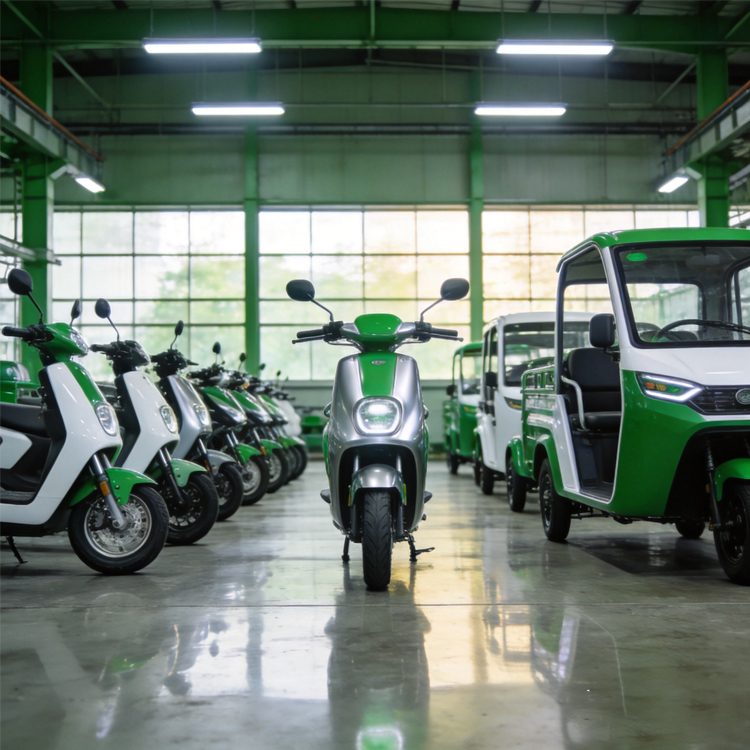
The Reality Check: They are the kings of consistency. If you need a reliable power source for power tools, entry-to-mid-level e-bikes, or compact consumer electronics, this is your go-to.
The Trade-off: Space efficiency. Because they are round, you inevitably waste space in the gaps between cells when packing them into a larger battery pack. If your customer demands a slim profile, you might want to look elsewhere.
Big, bold, and built for the long haul.
Step into the world of commercial energy storage or modern electric vehicles, and you will be greeted by the imposing sight of aluminum-cased prismatic cells.
The Vibe: Industrial strength meets high efficiency. These cells don't mess around. With standardized capacities like the industry-dominant 280Ah (and the emerging 314Ah), they are designed to be stacked, racked, and forgotten.
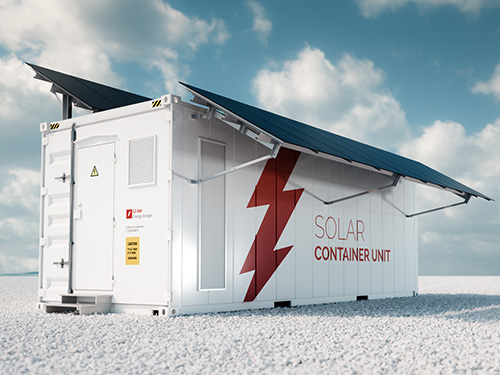
The Reality Check: If your business focuses on home ESS, C&I storage, or telecom backups, prismatic LFP (Lithium Iron Phosphate) cells are your best friend. Their rigid aluminum casing offers incredible structural integrity and makes thermal management within a pack much more predictable.
The Trade-off: They are heavy and less forgiving if physically damaged. Plus, sourcing authentic, grade-A prismatic cells requires a trustworthy supply chain—counterfeits are unfortunately common in the market.
Sleek, lightweight, and flexible.
The pouch cell is the minimalist of the group. Wrapped in a lightweight aluminum foil pouch, it’s all about maximizing active material while stripping away unnecessary weight.
The Vibe: High energy density and ultra-lightweight. Need a battery for a high-performance e-scooter, a drone, or a portable medical device? Pouch cells fit where rigid metal cans simply can’t.
The Reality Check: They offer the best weight-to-energy ratio on the market. For applications where every gram matters, pouch cells are unmatched.
The Trade-off: They are the most delicate of the bunch. Without a rigid outer shell, they require a highly precise Battery Management System (BMS) and a sturdy mechanical enclosure to protect them from swelling or physical impact.
Beyond the physical shape, the chemical soul of the cell dictates its destiny.
LFP (Lithium Iron Phosphate): The undisputed king of safety and cycle life. It’s bulkier, but it laughs in the face of high temperatures and can easily deliver 4000–6000+ cycles. Business Translation:Lower upfront cost, unbeatable ROI for stationary storage and fleet vehicles.
NMC (Nickel Manganese Cobalt): The king of energy density. It packs a massive punch in a small size, making it perfect for long-range EVs. Business Translation:Higher upfront cost, requires more complex thermal management, but essential when space and weight are your primary constraints.
At the end of the day, selecting a cell format is an exercise in compromise. Here is the cheat sheet we give our own clients:
Building Home/Commercial ESS? Stick to Prismatic LFP. The safety profile and 10+ year lifespan will save your customer support team countless headaches down the road.
Developing E-bikes or Power Tools? Cylindrical NMC or LFP is your safest bet. The supply chain is mature, replacement costs are low, and the form factor is universally understood.
Designing Drones, Wearables, or Ultra-Light Mobility? Go with Pouch cells. Just be prepared to invest heavily in a custom enclosure and a top-tier BMS.
The battery market moves fast, and what’s trending today might be obsolete tomorrow. The key to winning in this industry isn't just finding a supplier who can ship you a container of cells; it's finding a partner who understands the engineering trade-offs and can guide you toward the most profitable, reliable solution for your specific market.
Whether you are looking to source standardized 280Ah prismatic cells, customize a high-density NMC pack, or simply need a sounding board for your next big product idea, our engineering team is here to help.
Don't leave your product's core to chance. Reach out to us today, and let's engineer your success—cell by cell.

Copyright © 2026 Shandong Shanglai Import and Export Co., Ltd. All Rights Reserved.