I. Overview of Residential Energy Storage Systems
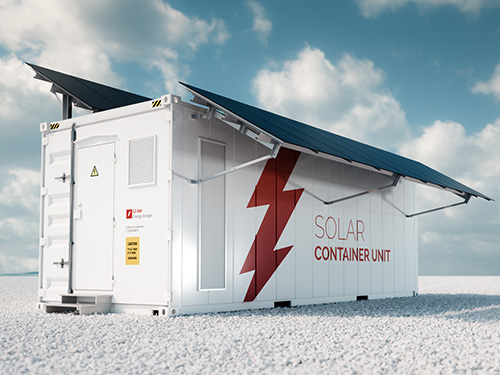
Residential energy storage systems typically consist of a battery bank, an inverter, a battery management system (BMS), and a control system. Their primary function is to store electrical energy and release it when needed to meet a household’s electricity demands. II. Common Residential Energy Storage Specifications and Parameters
II. Common Residential Energy Storage Specifications and Parameters
1. Battery Capacity
- Common residential energy storage battery capacities range from several kilowatt-hours (kWh) to tens of kilowatt-hours. Smaller-capacity systems (e.g., 5–10 kWh) are typically suitable for basic power backup and peak-off-peak electricity price arbitrage; larger-capacity systems (e.g., 20–30 kWh) can support the prolonged operation of more household appliances.
2. Charge/Discharge Power
- Charge/discharge power determines the speed at which the energy storage system charges and discharges. Generally, the charging and discharging power of common residential energy storage systems ranges from 2 to 10 kilowatts (kW). Higher power allows for faster charging and discharging, meeting peak electricity demands.
3. Cycle Life
- Cycle life refers to the number of times a battery can maintain a certain level of performance during charge-discharge cycles. High-quality residential energy storage batteries typically have a cycle life of several thousand cycles, which is crucial for long-term use and return on investment.
4. Energy Efficiency
Energy efficiency reflects the amount of energy lost during the charging and discharging processes of an energy storage system. High-efficiency systems (typically between 85% and 95%) maximize the utilization of stored electrical energy and minimize energy waste.
5. Operating Temperature Range
- Since residential energy storage systems may operate under varying ambient temperatures, their operating temperature range is also critical.
Systems capable of operating normally within a temperature range of -20°C to 55°C are generally considered suitable.
III. Impact of Different Specifications on the Performance of Residential Energy Storage Systems
1. Impact of Battery Capacity on Runtime
- A larger battery capacity means a longer runtime, enabling better coping with prolonged power outages or high electricity consumption. However, a larger capacity also implies higher costs and greater space requirements for installation.
2. Impact of Charge/Discharge Power on Power Response Speed
- High charge/discharge power enables rapid response to changes in household electricity demand. For example, it can promptly provide power support when high-power appliances are suddenly used, ensuring their normal operation.
3. Impact of Cycle Life on System Lifespan and Cost
- A longer cycle life means the energy storage system can maintain good performance over a longer period, reducing the frequency and cost of battery replacement and improving the overall economic efficiency of the system.
4. Impact of Energy Efficiency on Energy Utilization and Electricity Costs
- A high-efficiency energy storage system minimizes energy loss during charging and discharging, thereby improving energy utilization efficiency and reducing household electricity costs.
5. Impact of Operating Temperature Range on System Reliability - An energy storage system capable of operating across a wider temperature range can maintain stable performance even under extreme weather conditions, enhancing the system’s reliability and stability.

Copyright © 2026 Shandong Shanglai Import and Export Co., Ltd. All Rights Reserved.