A Comprehensive Guide to Lithium-Ion Battery Types: Choose the Right Battery and Avoid Pitfalls!
From everyday electronic devices to electric scooters and home energy storage systems, lithium-ion batteries are essential to powering them all. But did you know that the lithium-ion battery family actually has a wide variety of members, each with its own strengths? Today, let’s take a closer look at their classifications and characteristics.
By Structure Cylindrical Lithium-Ion Batteries: Common models like 18650 and 21700 feature a compact, uniform design with stable energy density. They are frequently found in laptops, flashlights, and small energy storage devices. Prismatic Lithium-Ion Batteries: Their square shape offers flexible design options, allowing dimensions to be adjusted to meet device requirements. Many batteries in smartphones and electric vehicles use this type, balancing capacity with space efficiency. Pouch lithium-ion batteries: Encased in an aluminum-plastic film “jacket,” these batteries are lighter, safer, and offer superior flexibility. They are frequently found in smartphones and tablets.
By cathode material:
Lithium iron phosphate (LFP) batteries: These offer maximum safety and an exceptionally long cycle life, capable of thousands of charge-discharge cycles. They are also cost-effective, making them the top choice for electric vehicles and large-scale energy storage facilities. Ternary lithium-ion batteries: Featuring nickel-cobalt-manganese (NCM) or nickel-cobalt-aluminum (NCA) as the core, these batteries excel in energy density and offer strong endurance. They are highly favored in new energy vehicles and high-end consumer electronics, though they come at a slightly higher cost. Lithium cobalt oxide batteries: Widely used in early smartphones and laptops, these batteries have decent energy density but relatively average cycle life and safety. They are now increasingly being replaced by other types. Lithium Manganese Oxide Batteries: These are low-cost with excellent low-temperature performance, making them reliable in winter. However, their cycle life is relatively short, so they are often used as auxiliary power sources for drive batteries or in small devices. By Application
Consumer Lithium Batteries: Designed for portable devices such as mobile phones, cameras, and headphones, these prioritize compact size and good capacity-to-size ratio.
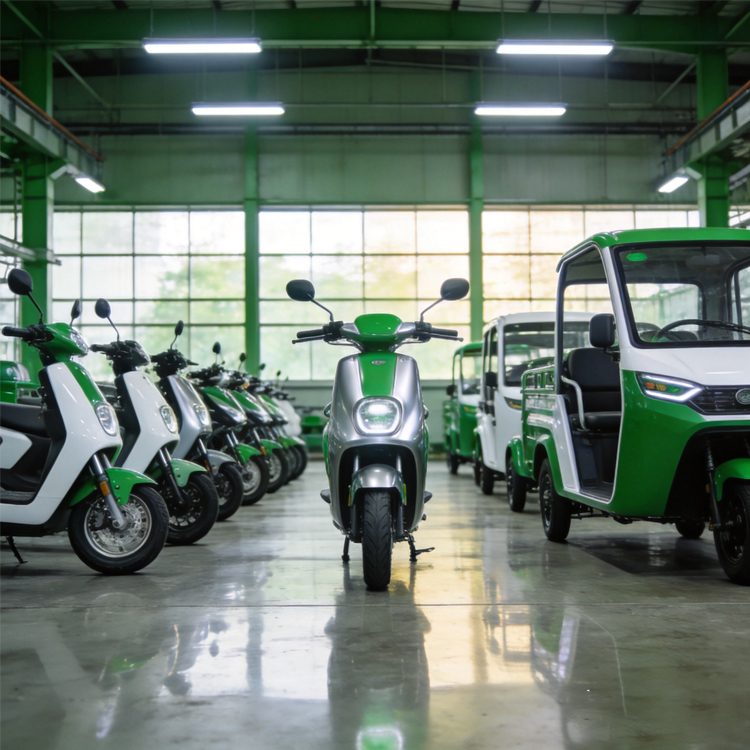
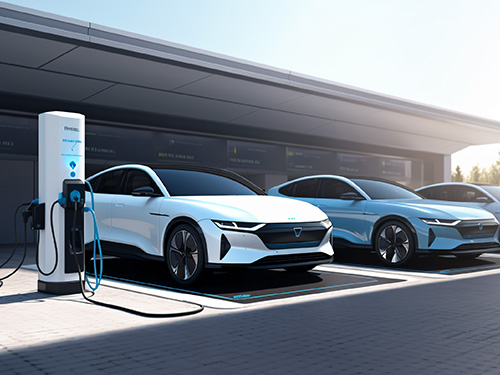
Power lithium-ion batteries: Power electric vehicles and e-bikes, requiring high power output and sustained discharge capability, with range being the key factor.
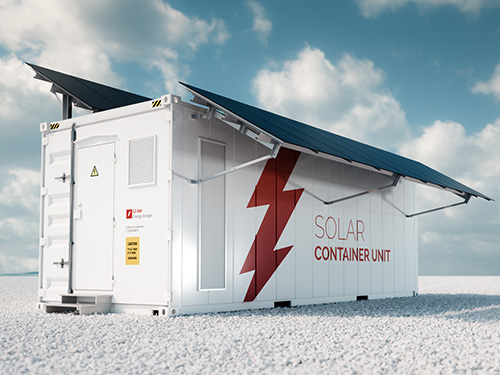
Energy storage lithium-ion batteries: Used in energy storage plants and home energy storage systems, prioritizing cycle life and stability to ensure reliable long-term performance. Understanding lithium-ion battery classifications not only helps you choose the right device but also enables better battery maintenance and usage. Which type of lithium-ion battery do you use most often?

Copyright © 2026 Shandong Shanglai Import and Export Co., Ltd. All Rights Reserved.