The Real "Power Batteries" Are on Two and Three Wheels
08-142026
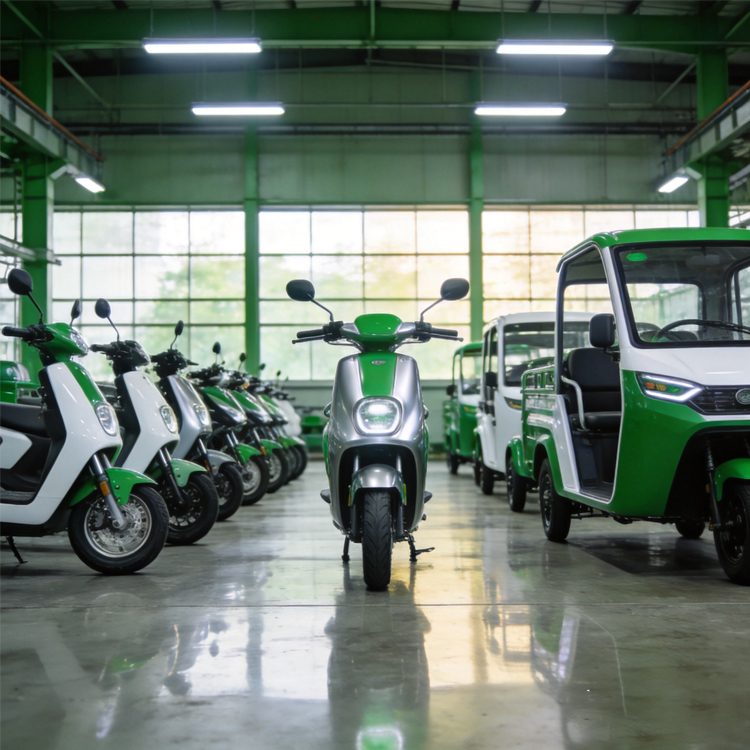
Let's be real — when people talk about power batteries, everyone's eyes are on EVs. But the ones that actually matter to everyday Chinese lives? They're sitting on 400 million electric bikes, e-rickshaws, and delivery scooters.
That's the real "national power battery."
Lead-Acid Still Runs the Show
Here's the counterintuitive bit: ~90% of electric two-wheelers still run on lead-acid batteries. Even in 2025, it's the default choice.
Why? One word: cheap. A 48V20Ah lead-acid pack runs about $100–120, and you can trade in the old one for credit at any roadside shop. For someone just picking up groceries or doing short trips, that's a no-brainer.
The tradeoff? Heavy and short-lived. A 72V20Ah pack weighs ~45kg — pure gym workout if you live on the 6th floor. And it dies after 1–2 years, maybe 300–500 cycles.
Lithium Is Coming, Just Slower
Lithium's advantages are obvious: 1/3 the weight, 20–30% more range, 2,000–3,000 cycles (8–10 years), and 2–3 hour charging vs. 6+ hours for lead-acid.
But two things hold it back:
Upfront cost — 2–3× more expensive than lead-acid. Hard sell for low-income users.
Safety — cheap, no-name lithium packs have caused fires. Lead-acid just swells; lithium can actually burn.
That said, the shift is happening — driven not by "premium buyers" but by high-frequency users: food delivery, couriers, cargo haulers. When you ride 100km a day, lithium pays for itself fast.
Which Lithium? LFP, Every Time
For two and three wheelers, LiFePO4 (LFP) is the clear winner:
Doesn't catch fire even under abuse (nail puncture test — no flames)
2,000+ cycles, 8–10 year lifespan
BYD even makes a Blade Battery version specifically for small vehicles now
NMC's only edge is cold-weather performance — relevant if you're in northern China, where LFP drops 20%+ in winter. But for most users, safety wins.
Watch sodium-ion too — works great at -20°C, no rare metals, getting cheaper fast. Could be the real "people's battery" for rural China by 2026–27.
Quick Tips
Don't drain to zero before charging — plug in at 20–30%
Store lithium at 30–50%, not 100%
Skip fast charging for daily use
Never throw old packs in the trash — recycle them
Bottom Line
Four hundred million vehicles. For most, this battery isn't a spec sheet — it's whether today's delivery run makes money, or whether grandma can carry it upstairs. Lead-acid won't disappear overnight, but LFP is steadily trickling down from delivery fleets to everyday riders. And sodium-ion might just be the final plot twist.
What's your use case — daily distance, elevator or stairs, your city? I can help you figure out which makes more sense for you.